
It is the question we hear most from Sacramento-area buyers: do I need a permit to put a shipping container on my property? The honest answer is “it depends” – on your city or county, your zoning, how long the container will stay and what you plan to use it for. This guide explains how the rules usually work and how to get a definite answer before your delivery date.
Who sets the rules?
There is no single Sacramento-wide rule. If your property is inside city limits, the city’s planning and building department decides – for example the City of Sacramento, Elk Grove, Rancho Cordova, Folsom or Citrus Heights. In unincorporated areas such as Arden-Arcade, Carmichael, Fair Oaks or Rio Linda, Sacramento County Planning and Environmental Review is responsible. Neighboring Placer, Yolo and El Dorado counties each have their own codes.
Storage containers vs. habitable structures
Storage only
Many jurisdictions treat a container used purely for storage as an accessory structure, similar to a shed. Typical rules cover maximum size, setbacks from property lines, placement behind the front of the house, screening from the street and how many accessory structures you can have. Some residential zones restrict or prohibit containers, while agricultural and industrial zones are usually more permissive.
Offices, studios and homes
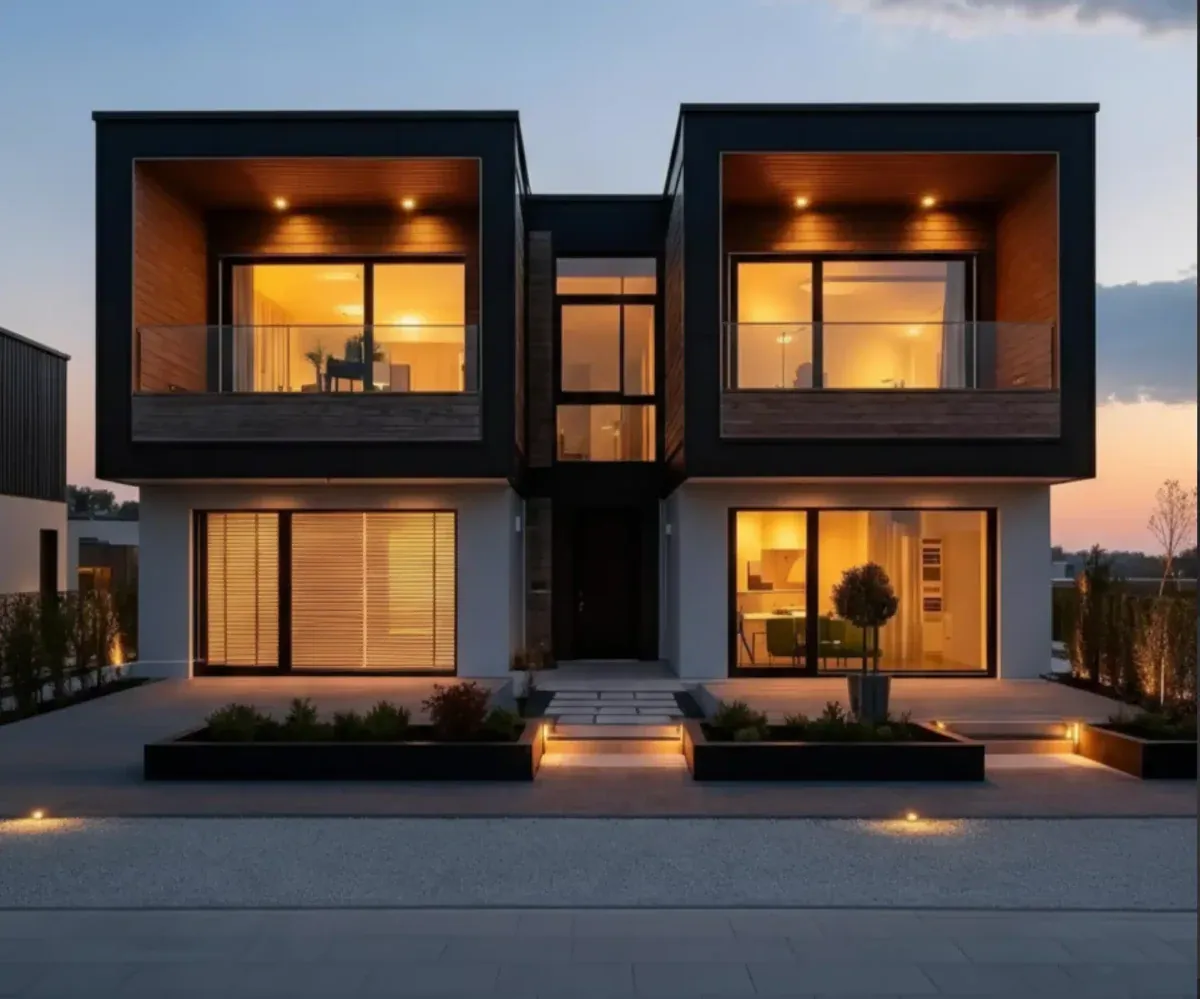
As soon as a container is occupied – as an office, studio, ADU or home – it is a building and must meet the California Building Code, including structural, energy, electrical and fire-safety requirements. Expect to submit plans and obtain building permits, and to use licensed contractors for electrical and plumbing connections.
Temporary construction storage
Containers on an active construction site are often allowed for the duration of a valid building permit. Ask your building department how long a temporary container may remain after the project is complete.
Questions to ask your planning department
- Is a storage container allowed in my zone, and does it need a permit?
- What are the size limits and setbacks for accessory structures?
- Does it need to be painted, screened or placed behind a fence?
- If I plan to add electricity, insulation or windows, what permits are required?
Have your parcel number (APN), the container size and a simple site sketch ready. We can provide container dimensions and specification sheets for your application – just ask our team.
Don’t forget HOAs and leases
Even where the city allows containers, homeowners associations often restrict visible structures, and commercial leases may need landlord approval. Check your CC&Rs or lease before ordering.
The bottom line
A quick call or email to your planning department before you order saves headaches later. Once you know what is allowed, choose a size that fits the rules – a 10ft container is often the easiest to approve on residential lots, while 20ft and 40ft units suit farms and commercial sites.
This article is general information, not legal advice. Rules change – always confirm requirements with your local jurisdiction.

